Technical Background

Scorpions are cold-blooded animals and are extremely sensitive to environmental changes. The reason why scorpions living in the wild possess potent medicinal properties and strong vitality is precisely because they experience the full cycle of the four seasons, as well as fluctuations in temperature and humidity, in their natural environment. Yidinghuo’s eco-simulated farming technology is based precisely on this biological principle, using artificial methods to replicate the scorpions“ natural habitat as closely as possible, allowing them to grow healthily while retaining their ”wild” nature.

Technical Structure

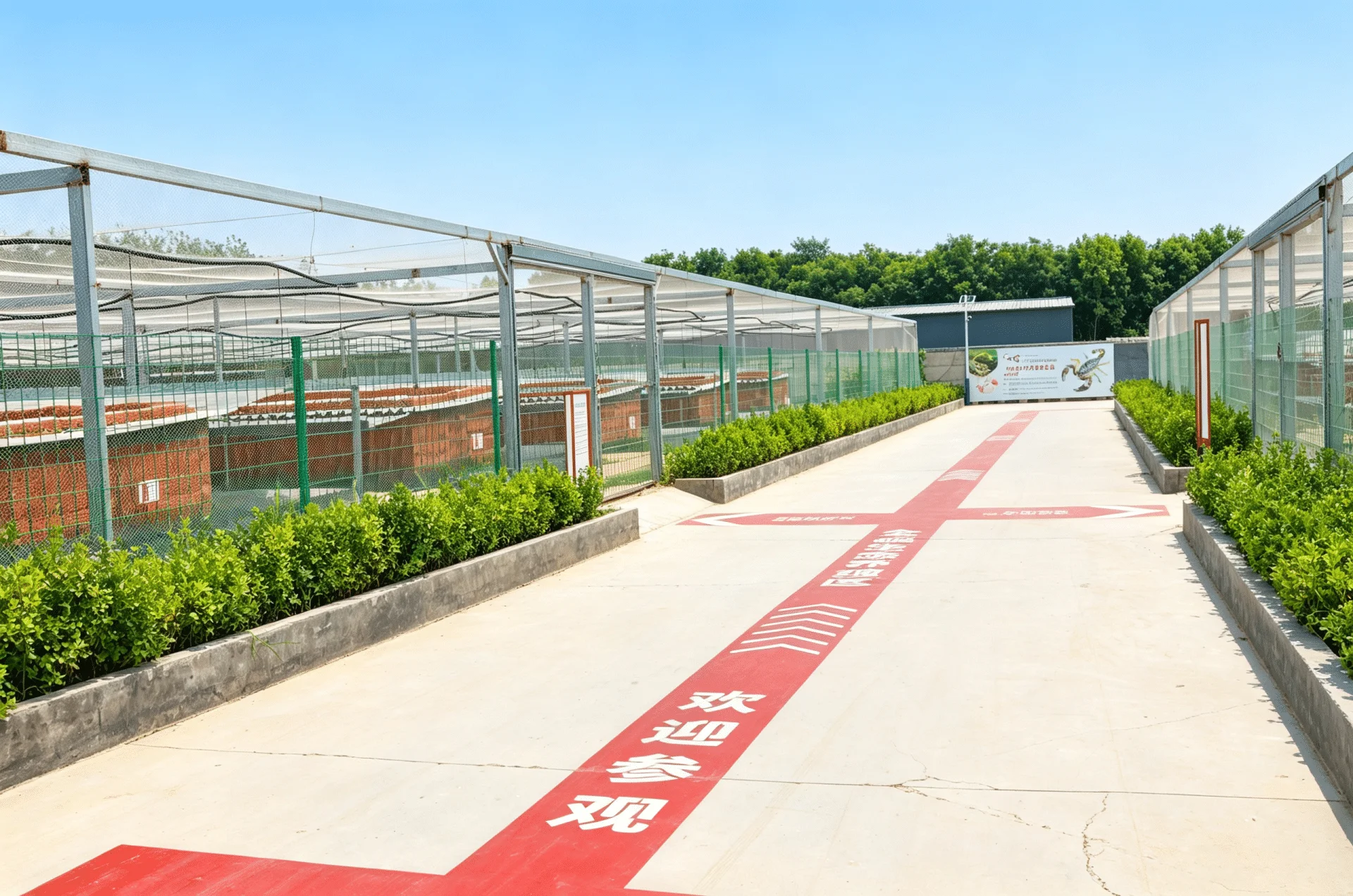
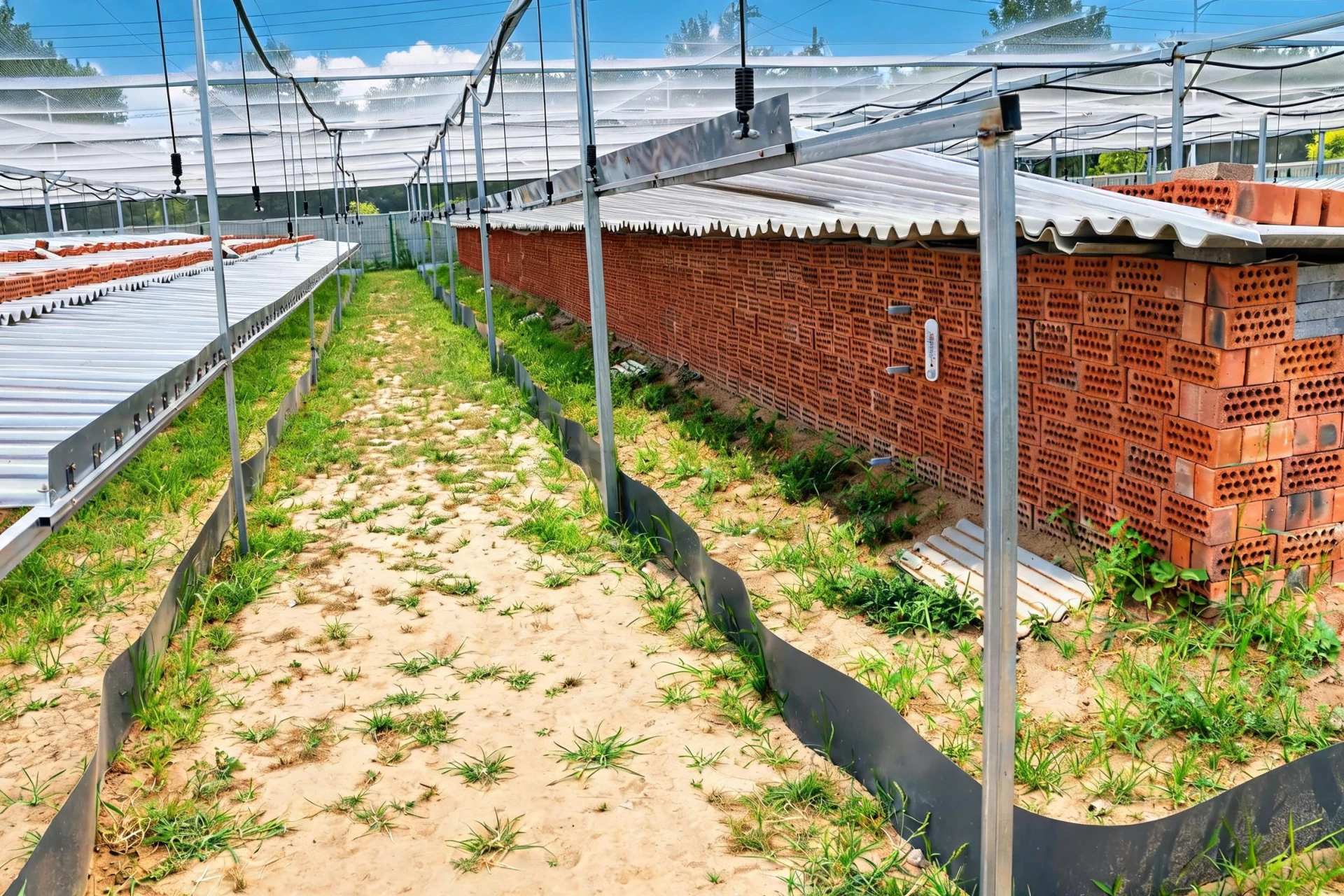
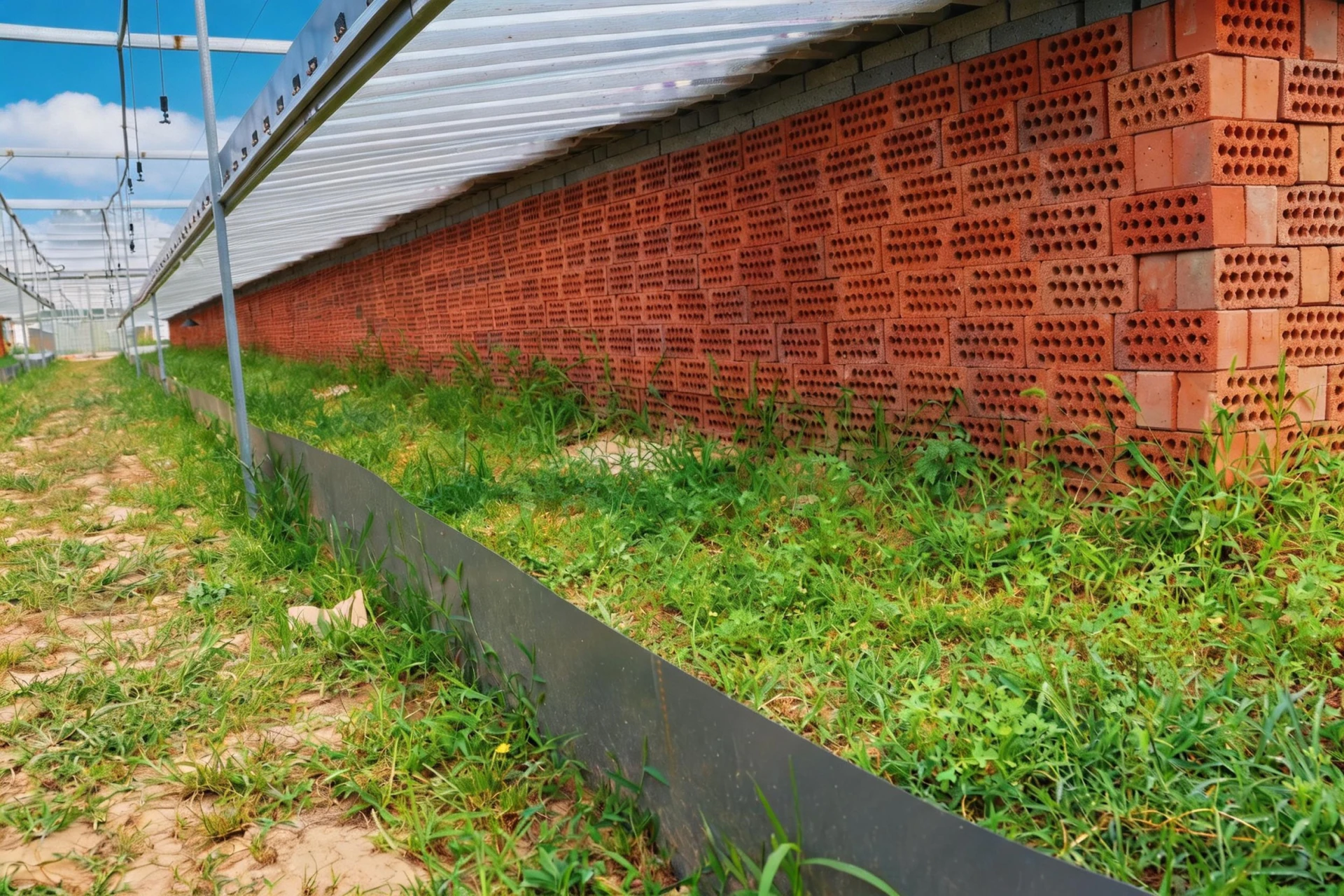
The core of our eco-friendly aquaculture area is a structure made of stacked porous bricks. Each stack has been carefully designed:

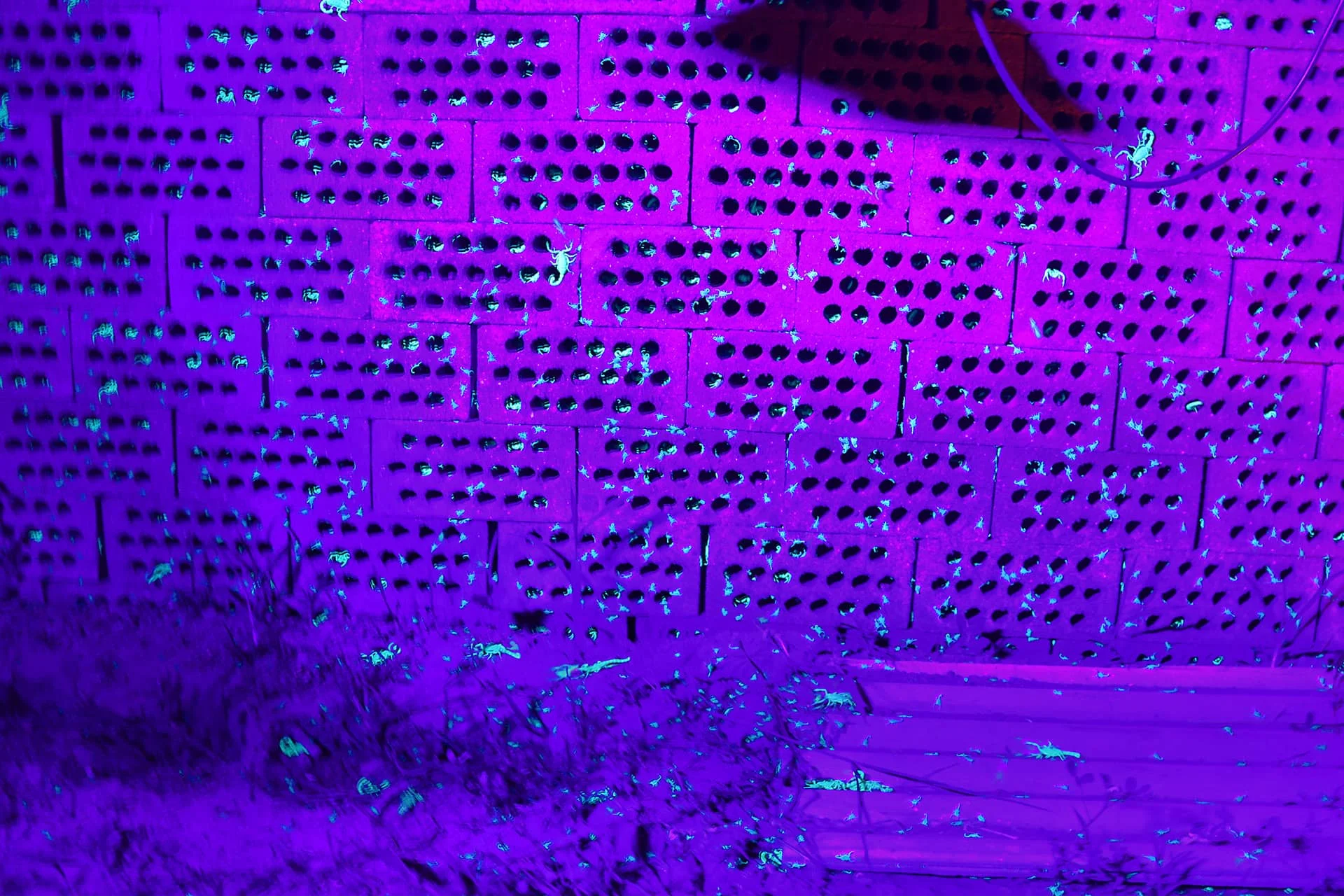
Inside the stack: The porous bricks are arranged in neat rows, with the holes in each brick interconnected to form a continuous passageway from the outside to the inside. Scorpions can freely travel through these interconnected passages from the outside of the stack to the innermost soil layer. The stack is filled with soil in the center, which not only creates a hibernation site for the scorpions but also utilizes the soil’s natural properties to retain heat and moisture—the soil slowly releases heat in winter and absorbs excess moisture in summer, keeping the temperature and humidity inside the stack relatively stable. The interconnected passageway design allows scorpions to move freely between the soil zone and the external environment, enabling them to choose the most comfortable place to dwell.

Top Cover: Asbestos shingles are laid on top of the stacking structure; this not only effectively drains rainwater, preventing it from pooling and soaking the structure, but also provides shade under the scorching sun, preventing the structure from overheating.

Escape Prevention Measures: A 50-centimeter-high color-coated steel panel fence is installed within a 1.2-meter radius around the stack. The smooth surface of the color-coated steel panels prevents scorpions from climbing or scaling the fence, effectively preventing them from escaping. At the same time, the fence serves to demarcate the breeding area and facilitates daily inspections.

Bird-proof netting: Install a full-coverage bird netting system 2.5 meters above the ground. Birds are one of the scorpions’ natural predators; the bird netting prevents birds from preying on the scorpions without compromising ventilation or natural light, thereby enabling the harmonious coexistence of humans, scorpions, and birds.

Drainage System: Special drainage channels are installed around the pile structure to direct rainwater away from the site during rainy weather, preventing water from pooling and soaking the base of the pile structure and keeping the aquaculture area dry and clean.

Food Sources

In the semi-natural environment, scorpions have a more diverse and natural food source. The natural vegetation preserved around the mounds attracts various small insects, which serve as natural prey for the scorpions; at the same time, based on the scorpions“ growth stages and seasonal changes, we regularly provide high-quality feed—such as mealworms—to ensure a balanced diet. This feeding approach—combining ”natural foraging in the wild with scientific supplemental feeding”—not only satisfies the scorpions’ natural hunting instincts but also ensures an adequate supply of nutrients.

Technical Advantages

This eco-friendly aquaculture technology, having been tested in practice for more than 40 years, has developed three core advantages:

1. Authentic Medicinal Effects: Scorpions are raised in conditions that closely resemble their natural habitat, allowing active ingredients to accumulate fully in their bodies. They are highly effective and consistent in quality, and veteran herbalists at the Anguo Herbal Market describe them as having “that wild, mountainous essence.”

2. Sound Structure, Efficient Management: The brick-pile structure is stable and durable, featuring an integrated design that includes escape prevention, bird deterrence, and drainage systems. With clear daily management procedures in place, staff can focus on core inspection and maintenance tasks.

3. Eco-friendly: No excessive use of chemicals, no soil degradation; the compost piles blend naturally with the surrounding environment, creating a healthy, small-scale ecosystem. Diverse food sources further enrich the biodiversity of the farming area.

Conclusion

“Eco-friendly” farming is not simply "free-range" rearing, but rather a meticulous effort to recreate nature. Yidinghuo has proven through more than 40 years of dedication that only by respecting the natural instincts of scorpions can one raise truly high-quality scorpions.