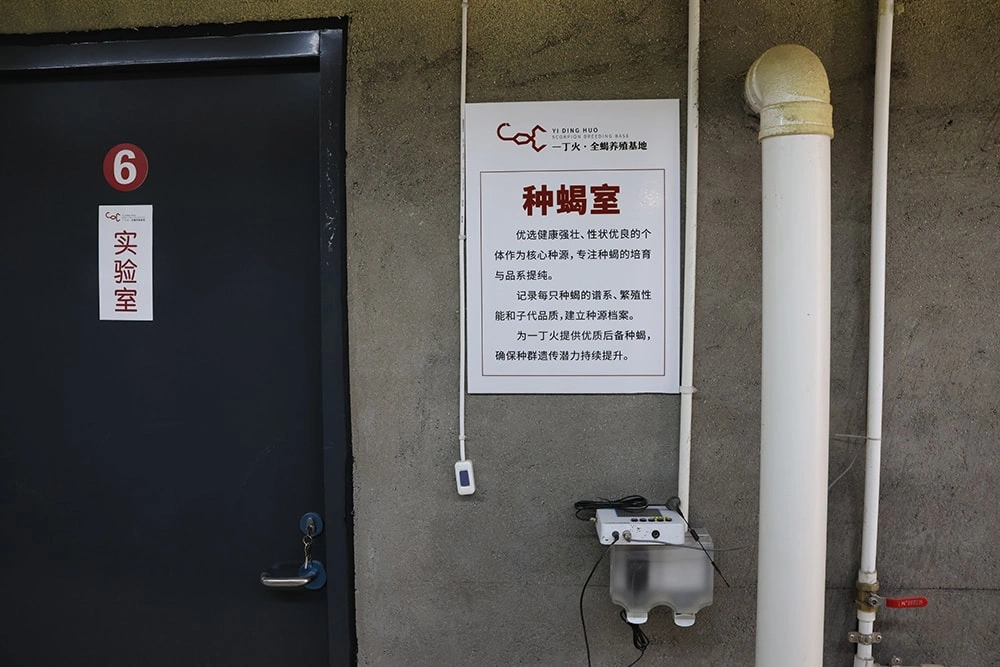
Laboratory Mission Statement

The Constant-Temperature, Non-Hibernation Laboratory is a specialized experimental platform where Yidinghuo focuses on optimizing core technologies across the entire scorpion farming cycle. Addressing key challenges in scorpion and mealworm farming, the platform conducts targeted and systematic controlled experiments to explore research in four core areas: nutritional formulation, molting regulation, breeding of parent scorpions, and high-efficiency mealworm rearing. The goal is to identify optimal solutions that promote healthy growth, improve product quality, and enhance breeding efficiency in scorpions, thereby providing scientific and practical technical support for large-scale farming.

Laboratory Structure

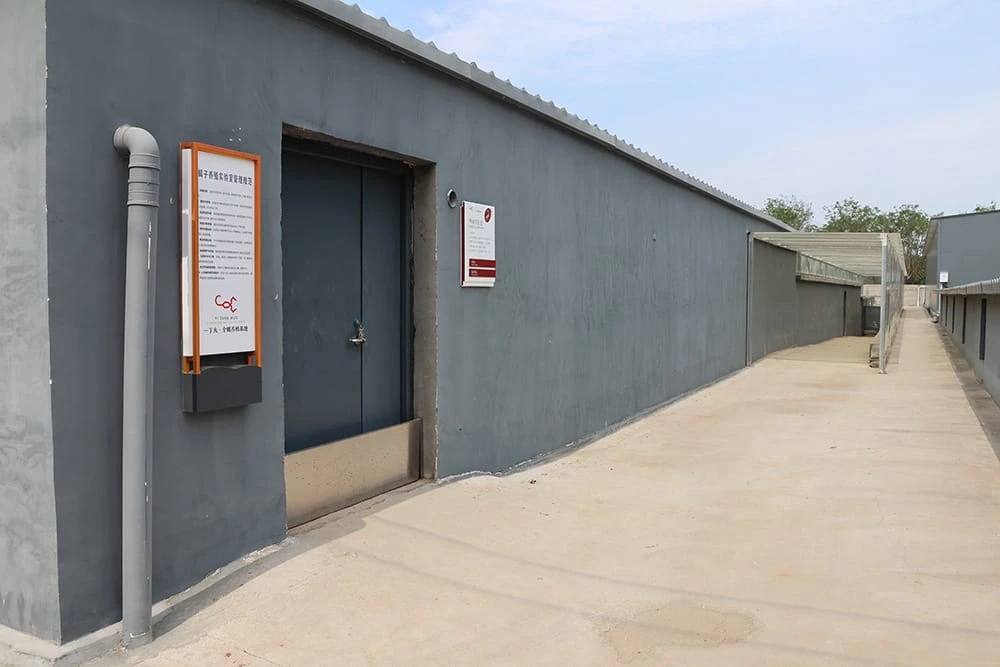
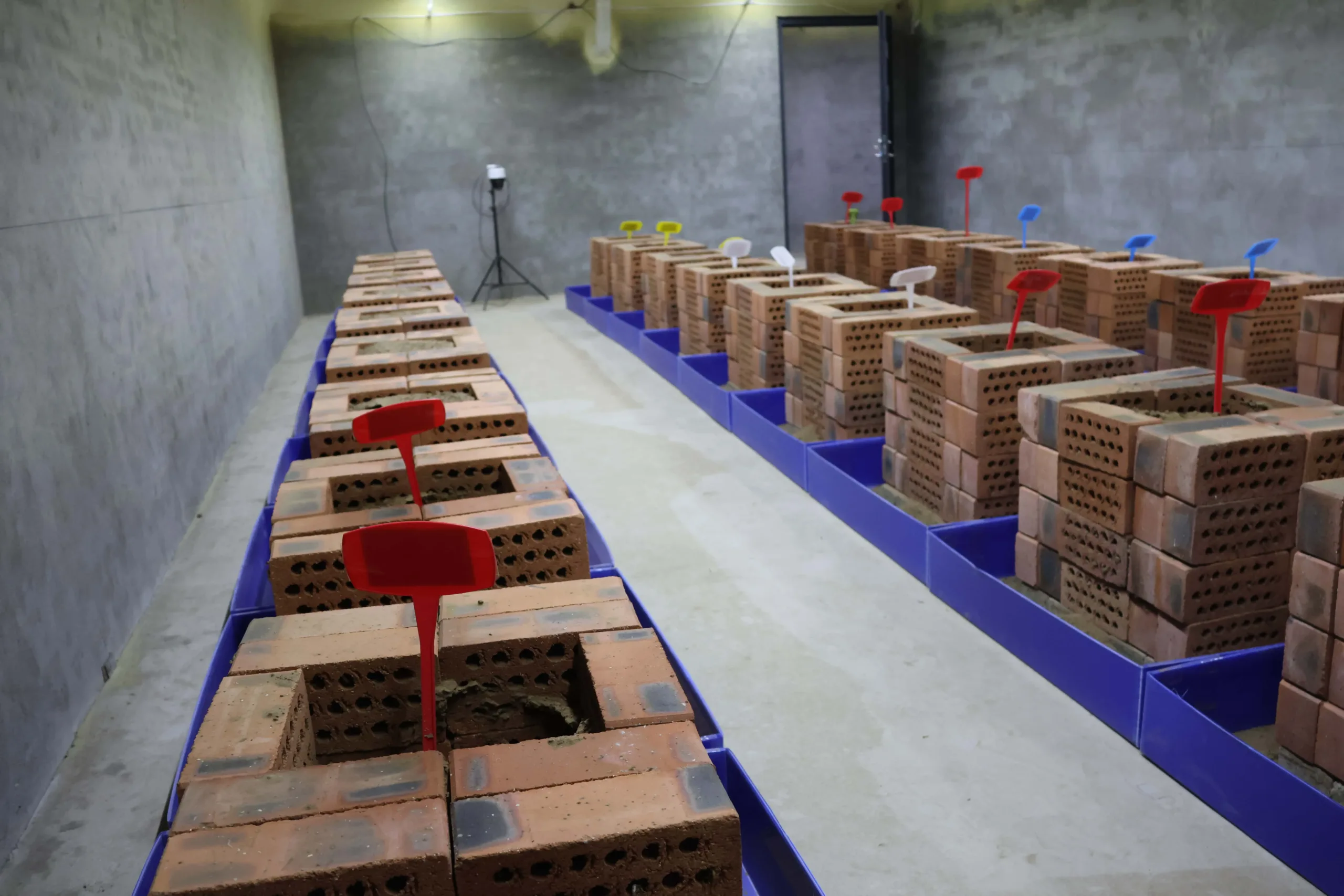
The laboratory features a three-tiered design—above-ground, semi-above-ground, and underground—all of which are housed indoors. It uses the building structure and environmental control systems to simulate various natural microenvironments:

Ground Level: Located on the ground floor of the laboratory, this area simulates an above-ground environment with ample lighting and good ventilation, making it suitable for observing scorpions’ behavioral patterns, feeding habits, and reproductive behavior during their normal active periods.

Semi-Open Area: Located between the surface and underground, with part of the structure embedded in the ground, this area features a gradual transition in temperature and humidity, closely resembling the habitat layers preferred by scorpions in the wild. It is used to study the effects of environmental gradients on scorpion activity patterns.

Basement Level: Located on the lower level of the laboratory, this facility simulates deep-soil conditions with relatively stable temperature and humidity—warm in winter and cool in summer—making it an ideal setting for studying the overwintering habits and molting behavior of scorpions.

The laboratory features a fully enclosed design with no windows for natural light, eliminating interference from external environmental factors and ensuring precise, controllable experimental conditions. It is equipped with a smart ventilation system and a specialized lighting system. The ventilation system ensures air circulation and uniform distribution of temperature and humidity, while the lighting system simulates circadian rhythms according to different experimental requirements, creating a stable and controllable testing environment for scorpions and mealworms.

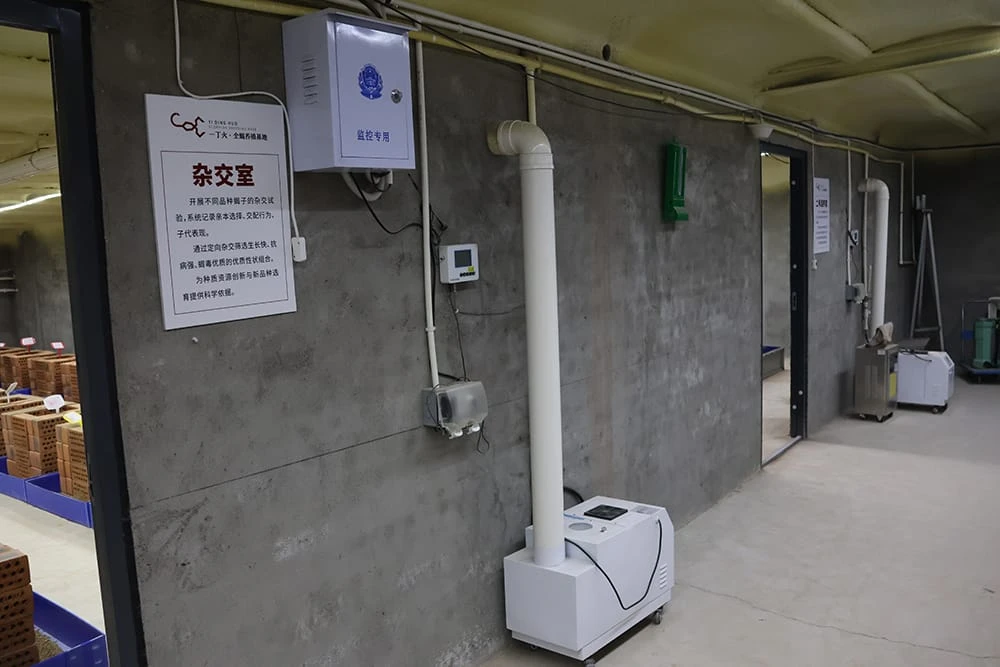
Each compartment is equipped with smart temperature and humidity control devices and 24-hour monitoring sensors that collect environmental data in real time and accurately record the scorpions’ growth status, activity patterns, and reproductive behavior under various conditions.

Four Major Functional Experimental Zones

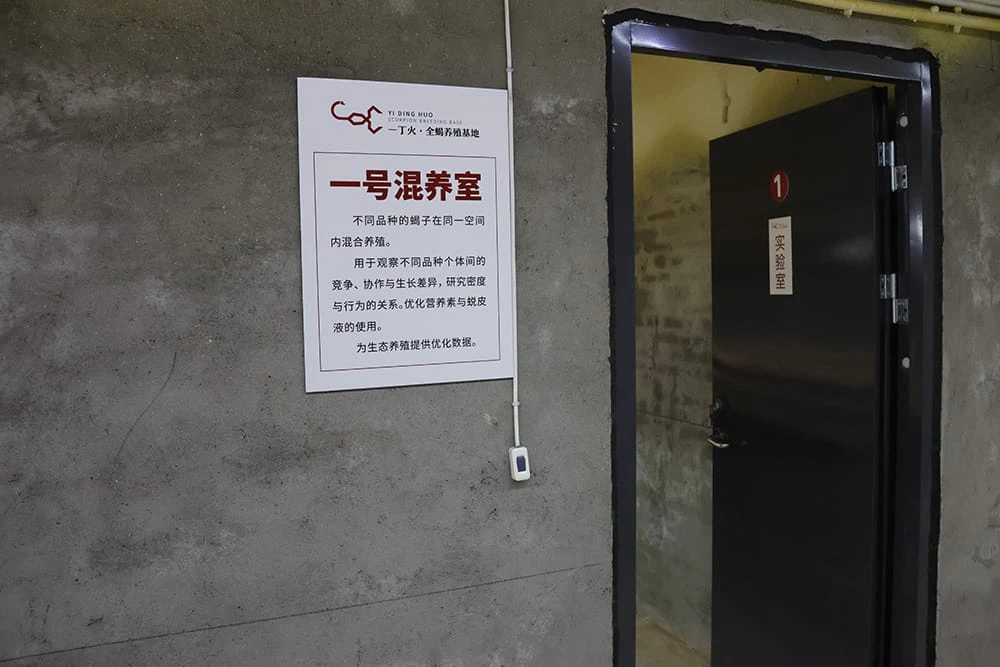
The laboratory comprises four functional areas: the rearing laboratory, the molting laboratory, the breeding scorpion cultivation laboratory, and the mealworm rearing laboratory. Each laboratory has a clearly defined role and a highly targeted research focus, forming a closed-loop research system centered on “feed insect optimization—scorpion growth regulation—breeding scorpion propagation enhancement.”

Aquaculture Laboratory

Focusing on the nutritional value of scorpion feed, this study uses mealworms combined with carrots and pumpkin as a base and incorporates various types of composite nutrients to conduct controlled experiments. The aim is to investigate the effects of different ingredient ratios on scorpion growth rates and venom quality, and to identify a nutritional regimen that supports healthy and rapid growth in scorpions.

Molting Lab

Focusing on the critical molting stages of scorpions at instars 2–5, multiple experimental groups were established using different types of molting agents. The study focused on investigating the effects of these agents on molting efficiency and success rates at each stage, with the goal of identifying the optimal molting agent application protocols for each instar.

Scorpion Breeding Laboratory

Focusing on the scorpion breeding process, we will conduct experiments with varying male-to-female ratios based on different scorpion breeds to analyze the effects of breed and sex ratio on mating efficiency and conception rate, and identify the optimal breeding model for rapid mating and conception in breeding scorpions.

Yellow Mealworm Breeding Laboratory

As a research area dedicated to ensuring high-quality feed for scorpions, we have conducted comparative trials using multiple sets of differentiated feed formulations tailored to each growth stage of mealworms. The goal is to identify highly efficient feed formulations that promote the healthy and rapid growth of mealworms, thereby providing a stable supply of nutritionally superior feed insects to support scorpion farming.

The Value of the Laboratory

The four experimental zones are advancing in tandem with data sharing, conducting specialized technical research on key stages of scorpion farming while also achieving synergistic optimization between mealworm and scorpion farming technologies. Through scientific experimental design and systematic data analysis, the project provides precise technical guidance and practical solutions for nutritional regulation, molting management, breeding of breeding scorpions, and the cultivation of feed insects, thereby supporting the standardized, scientific, and large-scale development of the scorpion farming industry.

We believe that high-quality scorpions are both “raised” and “developed” through research. Whether above ground, at ground level, or underground, each level is a tribute to nature; whether it’s nutrition, molting, breeding, or feed, every set of data represents a commitment to quality.